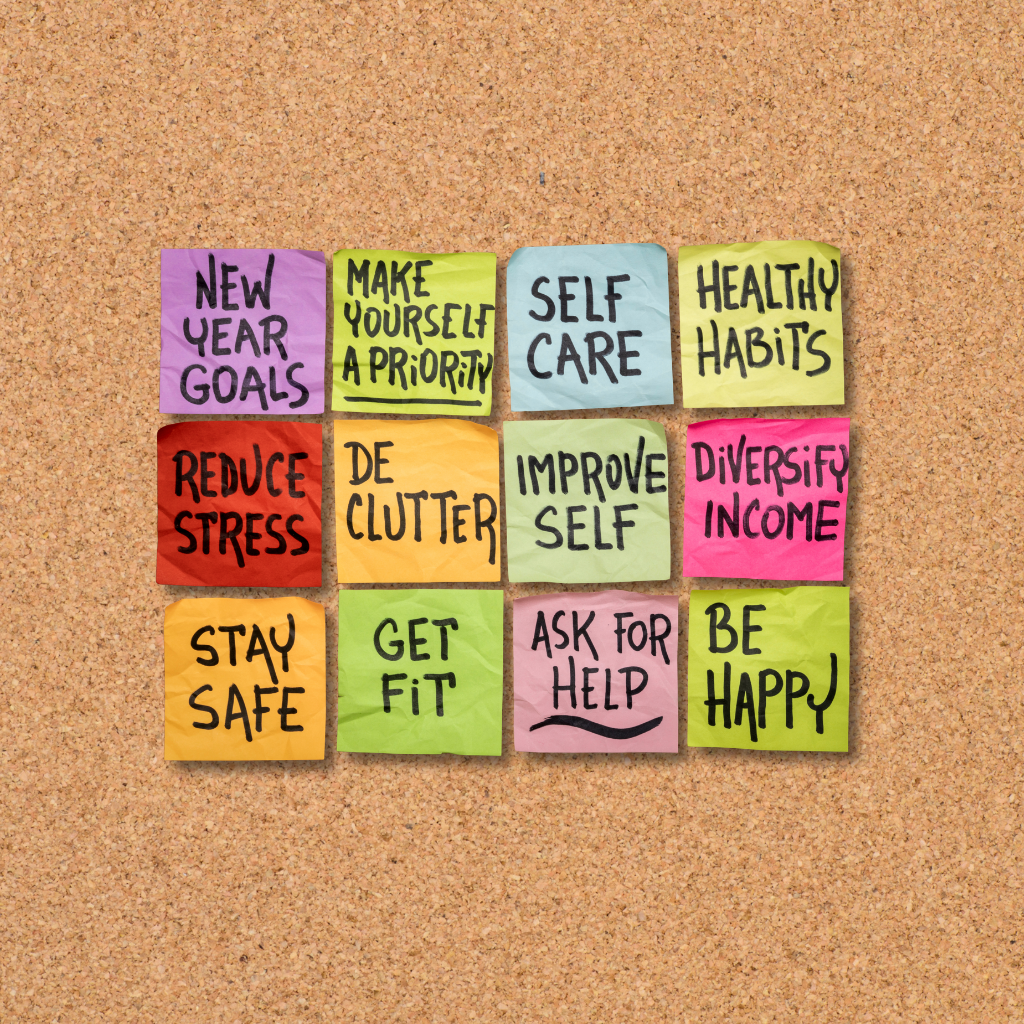
I joked at one of my shiurim this week that January is where resolutions go to die. We all know the rush of idealism that makes us believe we can be better, achieve more and shed bad habits. Every January (or Rosh Hashanah), we dare to whisper: “I can do it”.
It doesn’t take long for a cacophony of “no you can’ts” to drown that voice of optimism. The brilliant satirical site Babylon Bee posted a parody of Planet Fitness offering a special two-week membership for January. Two weeks into the new year, and many of our resolutions are gone.
That assumes we resolved to improve. If you’ve been doing this long enough, your built-in Reality Check system blares, “I’m too busy/ old/ tired/ stressed/ frustrated/ ADHD to do more than just survive”. “Focus on what you’ve got to do- earn a living, provide for your family, watch your health,” that voice continues, “One day, when things settle down, you can afford to meditate, soar, engage your spirit and live your dreams.” More often than not, we follow that advice, believing that it will all be easier one day.
A key reason we give up before we start is that we don’t appreciate the resource we’ve been gifted. Our soul is alive with possibility; it is wired to transcend and transform. It strains against our sluggish human foibles, always whispering that we have great things to achieve.
Our soul’s optimism is interrupted by the Voice of Reason. “Don’t waste your time with fantasies! This is the real world. You have to navigate potholes. You have to earn enough to educate your kids. Nobody escapes The Grind, and neither will you.”
We call this life in Egypt.
“Let my people go” was not simply Moshe’s challenge to Pharaoh. It is the call of every Jewish soul.
Pharaoh lived in denial. His knee-jerk response to Moshe was, “I don’t know Hashem, and I will not allow the People to leave!” Pharaoh was no fool. He knew the Hebrews believed in their deity, as he believed in his. In his mind, every nation had its idol. What he could not accept was Moshe’s version of G-d. In Hebrew, the Torah emphasises that he claimed, “I don’t know Havaye (the name spelt Yud-Hey-Vav-Hey). Pharaoh was prepared to acknowledge Elokim, a G-d who runs the natural order. He accepted that humans could engage the Creator to make it rain or bless their crops. He refused to believe that humans could tap into a supernatural reality, represented by Havaye, to change the rules of life.
His voice still echoes in our minds today. His is the voice that lulls us into thinking we are stuck in the rat race- like everyone else. Our Pharaoh psychology has us in denial, believing that Hashem’s assurance of spiritual liberation is a fantasy.
Our challenge is to silence his cynicism and listen to our inner Moshe voice. Being Jewish means we believe in our innate potential- and work to realise it.